What is an Endodontist?
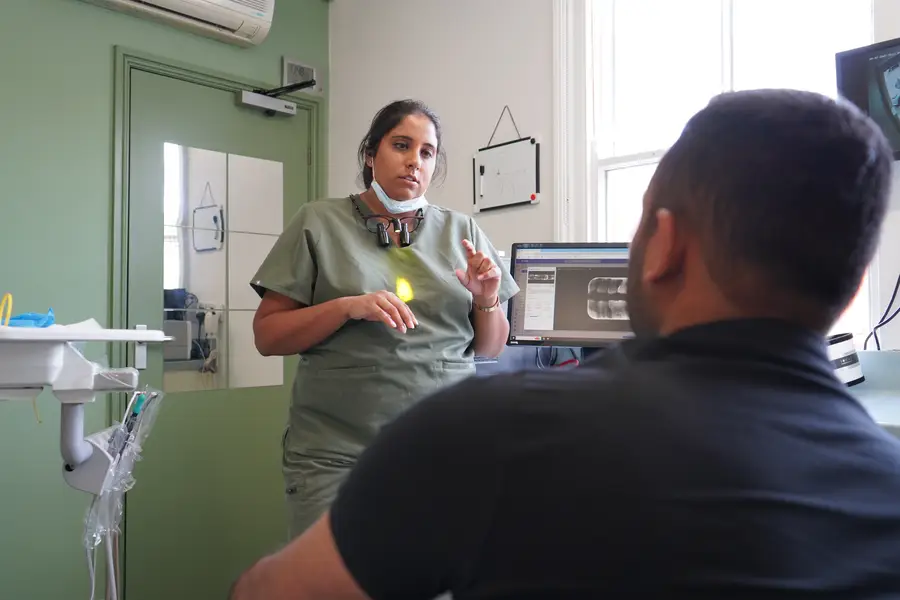
What is an Endodontist? Understanding the Specialist Behind Your Root Canal Treatment
The Role of Dental Specialists
When you visit the dentist, you’re likely familiar with general dentists, orthodontists, and perhaps even periodontists. But have you ever wondered what an endodontist does? If you’ve ever needed a root canal, you’ve probably been referred to one. Endodontists are highly trained specialists who focus on treating issues related to the inside of the tooth, particularly the dental pulp and nerves.
In short, an endodontist is a highly trained dental specialist who focuses on diagnosing and treating problems that affect the inside of the tooth, specifically the tooth’s pulp and surrounding tissues. These specialists deal with complex issues such as infections, inflammation, and injuries to the tooth’s inner tissues, which are vital for the tooth’s health and function. The most known procedure performed by an endodontist is a root canal, where the damaged and infected pulp inside the tooth is removed to save the tooth and prevent further complications. Endodontists undergo additional years of advanced education after dental school, allowing them to treat more difficult cases that general dentists may refer to them. Their expertise is essential for saving teeth that might otherwise need to be extracted, and they use state-of-the-art techniques and equipment to ensure precise and effective treatment.
They are experts in performing root canals and other procedures that save teeth from extraction. This blog post will delve into what an endodontist does, their training, the treatments they offer, and when you might need to see one.
What Does an Endodontist Do?
An endodontist is a specialist dentist who focuses on diagnosing and treating issues related to the inside of the tooth, specifically the dental pulp, nerves, and the tissues surrounding the tooth’s roots. The word “endodontist” comes from the Greek words “endo,” meaning inside, and “odont,” meaning tooth. Endodontists have advanced training that equips them to handle complex dental cases, particularly those involving infections or injuries deep within the tooth. Here’s a closer look at what an endodontist does and the specific treatments they provide:
1. Root Canal Therapy
Root canal therapy is the most common procedure performed by endodontists and is essential when the pulp inside the tooth becomes inflamed and infected. The pulp contains nerves and blood vessels that are crucial to the tooth’s health, although when infected as a result of trauma, severe decay, or frequent dental operations, it can cause severe pain and lead to an abscess.
During root canal therapy, the endodontist carefully removes the infected pulp from the tooth’s root canals. The procedure involves creating a small opening in the tooth’s crown, cleaning out the damaged tissue, and disinfecting the canal to eliminate bacteria. Once cleaned, the endodontist fills the empty canals with a rubber-like material called gutta-percha and seals the tooth to prevent future infections. Root canals are often misunderstood as painful procedures, but in reality, they are designed to relieve pain, and advancements in dental technology have made them more comfortable than ever. Root canal therapy saves the natural tooth, which is always preferable to extraction.
2. Endodontic Retreatment
Sometimes, a tooth that has had a root canal operation may not heal as expected, or new problems may arise months or even years after the initial procedure. In such cases, endodontic retreatment is necessary. This involves opening the tooth back up again to access the root canals, removing the old filling material, and cleaning out any remaining infection or decay. The canals are then reshaped, disinfected, and sealed again.
Endodontic retreatment is often more complex than the original procedure because the tooth has already undergone treatment, and there may be additional complications like new cracks, hidden canals, or persistent infections. Endodontists have the specialised skills and tools to address these issues and give the tooth another chance to heal properly. This process is essential to avoid extraction and preserve the natural tooth.
3. Endodontic Surgery
Endodontic surgery becomes necessary when non-surgical root canal treatment isn’t enough to resolve an issue, particularly if the infection persists or there is damage to the root that can’t be treated with traditional methods. The most common surgical procedure performed by endodontists is the apicoectomy, which involves removing the tip of the tooth’s root along with any infected tissue surrounding it. The end of the root canal is then sealed to prevent further infection.
Endodontic surgery is often used to treat recurring infections or cysts that don’t respond to conventional root canal treatment. The surgery can also help diagnose problems that may not appear on X-rays, such as tiny fractures or hidden canals. These procedures are intricate and require the precision and expertise of an endodontist to ensure the tooth is preserved and the infection is fully addressed. In addition to apicoectomies, endodontists may also perform other surgical procedures to repair damaged teeth or treat injuries that compromise the root structure.
4. Treating Traumatic Dental Injuries
Endodontists are specialists in managing traumatic dental injuries, such as cracked or dislodged teeth, or teeth that have been knocked out entirely (avulsed). Traumatic injuries can occur as a result of accidents, sports injuries, or falls, and they require immediate care to increase the chances of saving the affected teeth.
For instance, if a tooth is completely knocked out, it is crucial to act quickly. The tooth should be handled carefully by the crown, not the root, and placed in milk or a tooth preservation solution while you seek emergency dental care. Endodontists can often reimplant the tooth if treatment is received promptly, and they will perform root canal therapy as part of the healing process to protect the tooth from infection. If a tooth is fractured or dislodged, the endodontist can stabilise it and provide follow-up care to ensure it heals properly. This may involve splinting the tooth to adjacent teeth or performing root canal therapy if the injury affects the pulp.
5. Diagnosing and Treating Tooth Pain
Tooth pain can be difficult to pinpoint, and its causes are not always clear. Endodontists are experts in diagnosing the source of tooth pain, particularly when it stems from issues within the tooth’s pulp or roots. Common causes of tooth pain include deep decay, infections, trauma, or cracks in the tooth that may not be visible during a routine exam.
Endodontists use advanced diagnostic tools, such as digital imaging and specialised testing, to identify the source of the pain. They may perform sensitivity tests, percuss the teeth, or use X-rays and 3D imaging to determine whether the pain is coming from the pulp, surrounding tissues, or referred pain from another area. Once the cause of the pain is identified, they can recommend the most appropriate treatment, whether it’s root canal therapy, endodontic surgery, or another procedure. Their expertise in pain management ensures that patients receive prompt relief and that the underlying issue is fully resolved.
The Training and Expertise of an Endodontist
Becoming an endodontist requires extensive education and advanced training. Endodontists undergo several years of specialised education beyond dental school, giving them the skills needed to manage complex dental cases and perform intricate procedures. Here’s an overview of the path to becoming an endodontist:
1. Dental School
Like all dentists, endodontists begin their journey by completing dental school, which typically takes four years. During this time, they study general dentistry, including anatomy, physiology, pathology, and clinical dental care. Dental school provides a strong foundation in all areas of oral health and teaches students the skills needed to perform general dental procedures.
2. Endodontic Residency
After completing dental school, those who wish to specialise in endodontics must pursue an additional residency program in endodontics, which usually lasts two to three years. This residency provides focused training in diagnosing and treating diseases of the dental pulp and surrounding tissues. Endodontists gain extensive hands-on experience performing root canals, endodontic surgeries, and using advanced diagnostic tools.
The residency also trains them in the latest techniques and technologies, such as using surgical microscopes, 3D imaging, and digital X-rays, which allow them to deliver precise and effective care. The in-depth knowledge gained during residency enables endodontists to manage even the most challenging dental cases with confidence.
3. Board Certification
Many endodontists choose to pursue board certification, which is a voluntary process that demonstrates their commitment to excellence in their field. To become board-certified, endodontists must pass a rigorous exam. This exam tests their clinical knowledge, diagnostic skills, and expertise in endodontic procedures.
Board certification is a mark of distinction and signals to patients that the endodontist has met the highest standards of education and practice in the field. It reflects a dedication to staying at the cutting edge of endodontic care and continuously improving their skills.
4. Continuing Education
Even after completing their formal education, endodontists are committed to lifelong learning. They regularly participate in continuing education courses, attend professional conferences, and stay updated on the latest research in the field of endodontics. This dedication to staying current with new developments ensures that they are always using the best techniques and technology to provide the highest quality care to their patients.
When Should You See an Endodontist?
Not everyone will need to see an endodontist, as many routine dental issues can be managed by a general dentist. However, there are certain situations where it’s beneficial to see an endodontist for specialised care:
1. Complex Root Canal Cases
If your dentist determines that your root canal is complicated—such as having multiple or curved canals, persistent infection, or significant damage to the tooth—they may refer you to an endodontist. Endodontists have the advanced training and specialised tools needed to handle these challenging cases, ensuring the best possible outcome for the patient.
2. Persistent Pain
If you’re experiencing consistent tooth pain that your dentist cannot diagnose or resolve, it may be time to see an endodontist. Endodontists are skilled in diagnosing the underlying causes of tooth pain, particularly when the pain is difficult to pinpoint or does not respond to standard treatments. They can use advanced imaging and diagnostic tools to find the root of the problem and recommend appropriate treatment.
3. Traumatic Dental Injuries
If you have experienced a traumatic dental injury—such as a cracked, dislodged, or knocked-out tooth—an endodontist can provide emergency care to save the tooth and prevent further damage. Prompt treatment by an endodontist can increase the likelihood of successfully restoring the tooth’s function and appearance, especially in severe cases.
4. Endodontic Surgery Needs
If a non-surgical root canal treatment hasn’t been enough to resolve the problem, your dentist may refer you to an endodontist for surgery. Procedures like an apicoectomy or other endodontic surgeries require the expertise of an endodontist to ensure the best possible outcome. Their specialised skills in performing these surgeries make them the best option for complex cases.
Why Choose an Endodontist for Your Root Canal?
Root canals are often feared as painful procedures, but in reality, they are designed to relieve pain. Choosing an endodontist for your root canal offers several distinct advantages:
1. Expertise and Experience
Endodontists perform root canals and related procedures daily, making them highly skilled in managing even the most complex cases. Their focused training and experience ensure that they can handle difficult root canals with precision, improving the chances of saving the tooth and achieving a successful outcome.
2. Advanced Technology
Endodontists use state-of-the-art technology to diagnose and treat dental problems. This includes digital imaging, surgical microscopes, and 3D scanning, which provide a detailed view of the tooth’s internal structures. This advanced technology enables more accurate diagnoses and more precise treatments, ultimately leading to better patient outcomes.
3. Focused Care
Because endodontists specialise exclusively in treating issues related to the dental pulp and surrounding tissues, they are experts in managing pain and discomfort during and after the procedure. Their focused care ensures that patients receive the highest level of attention, with techniques designed to preserve as much of the natural tooth structure as possible.
In conclusion, an endodontist is a highly skilled specialist who plays a crucial role in preserving natural teeth and treating complex dental issues. Whether you need root canal therapy, retreatment, surgery, or help with a traumatic injury, an endodontist’s expertise can make all the difference in achieving a successful outcome and maintaining your oral health.
Conclusion
An endodontist is a vital member of the dental care team, specialising in saving teeth that might otherwise need to be extracted. Whether you’re dealing with a painful tooth infection, a traumatic dental injury, or a failed root canal, an endodontist has the expertise and tools to provide the care you need.
If your dentist refers you to an endodontist, it’s because they believe you will benefit from the specialist’s advanced training and experience. At Green Dental, we work closely with skilled endodontists to ensure that you receive the highest quality care. Whether you need a root canal, endodontic surgery, or treatment for a dental injury, you can trust that you’re in capable hands.
Explore our other blog posts
December 28, 2025
White Spots: What They Mean and When to See a Periodontist
November 28, 2025
Can Gum Disease Be Reversed? Your Complete Guide
October 22, 2025