Trusted Tooth Extraction in Leicester
Suffering from a broken, severely decayed, or impacted tooth? Here at Green Dental in Leicester, we understand that tooth extraction can be a daunting prospect.


Removing a severely damaged or infected tooth can help eliminate persistent discomfort and allow healing to begin.
Extracting problem teeth can prevent infection or pressure from affecting neighbouring teeth.
In some cases, extraction helps stop infection from spreading to the jaw or surrounding tissues.
You’ll receive tailored advice to support healing and recovery following your extraction.

When Is Tooth Extraction Necessary?
While the idea of having a tooth extracted might cause some apprehension, there are several instances where it becomes the most suitable course of treatment to ensure your oral health and well-being. Our dentist will carefully evaluate your situation to determine if an extraction is necessary. This might be the case for teeth that are severely damaged by decay or trauma and are beyond repair. Additionally, impacted wisdom teeth that are causing pain or pushing against other teeth may need extraction to prevent overcrowding or infection. Our team will thoroughly explain your options and answer any questions you may have, to ensure you feel informed and comfortable throughout the entire process.
How Are Tooth Extractions Done?
Tooth extractions can be categorised into simple and surgical procedures. Simple extractions involve removing a visible tooth using instruments like elevators and forceps to loosen and extract the tooth. This is typically done for loose or partially erupted teeth.
Before the extraction process, anaesthesia options like local anaesthetic will be discussed to ensure your comfort.
Surgical extractions are necessary for more complex situations, such as impacted wisdom teeth or teeth with deeply embedded roots. Our dental surgeon might make a small incision in the gum tissue and potentially some bone removal to access the tooth. Once the tooth is visible, it can be sectioned into smaller pieces for easier removal. Sutures (stitches) are often used to close the gum tissue after a surgical extraction.
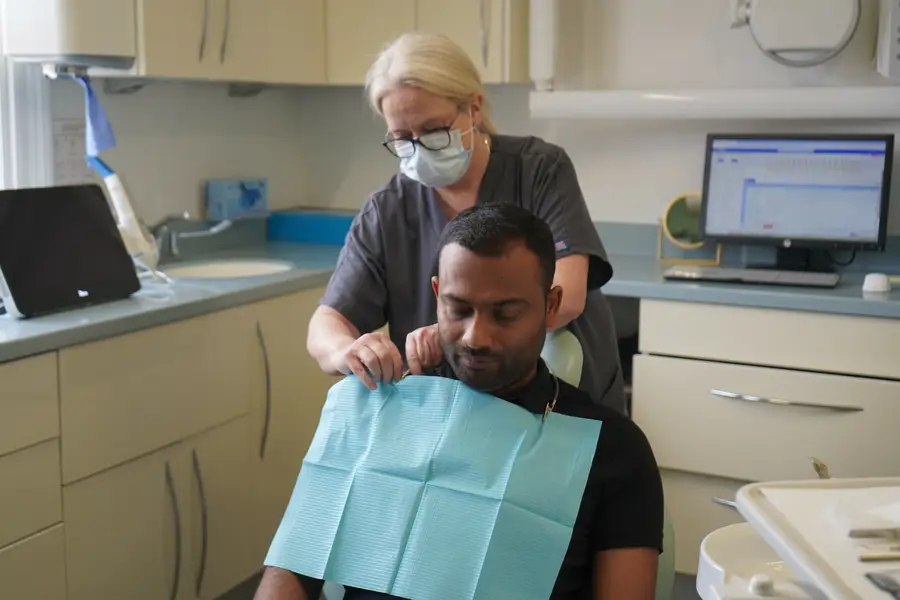

How Long Do Tooth Extractions in Leicester Take?
The duration of a tooth extraction can vary depending on the complexity of the procedure. Simple extractions, where the tooth is visible and easily accessible, can often be completed within 15–30 minutes. However, surgical extractions involving impacted teeth or complex root structures may take longer, ranging from 45 minutes to an hour.
It’s important to remember that the overall appointment time might extend beyond the actual extraction itself. This is because the dentist will factor in time for pre-operative procedures like numbing the area with anaesthesia, as well as post-operative instructions on caring for the extraction site to promote healing and minimise discomfort.
Tooth Extraction vs Root Canal Treatment
Toothaches and damaged teeth can leave you wondering if an extraction or a root canal treatment is the right solution. While both procedures address problem teeth, their approaches differ significantly. A root canal aims to preserve your natural tooth by removing infected pulp, the inner layer containing nerves and blood vessels. The remaining tooth structure is then cleaned, disinfected and filled with a special material. This allows the tooth to function normally and prevents the need for extraction.
In contrast, a tooth extraction removes the entire tooth, including the root. This option becomes necessary when the tooth is too severely damaged for a root canal to be successful. Additionally, extensively decayed teeth, fractured roots or impacted wisdom teeth that lack sufficient bone support might not be salvageable and require extraction. Ultimately, our dentist will conduct a thorough examination and X-rays to determine the best course of action for your specific situation.


Benefits of Tooth Extractions in Leicester
Tooth extraction offers a multitude of advantages that go beyond simply removing a problematic tooth.
Pain Relief
One of the most immediate benefits is the elimination of pain. A severely decayed, infected or cracked tooth can cause throbbing discomfort that disrupts your daily life and sleep. Extracting the tooth removes the source of the pain, allowing for relief and promoting healing in the surrounding tissues.
Infection Prevention
A neglected tooth with decay or an abscess can harbour bacteria that infiltrate the pulp and potentially travel to the jawbone and bloodstream, leading to serious health complications. Extracting the infected tooth eliminates the source of the infection and safeguards your overall health.
Frequently Asked Questions About Tooth Extraction in Leicester
How painful is tooth extraction?
The actual extraction itself shouldn’t cause pain because anaesthesia will numb the area. You might experience some discomfort or pressure during the procedure, but your dentist will ensure you’re comfortable. Afterwards, you can expect some soreness and throbbing for a few days, which can be managed with pain medication. Patients visiting us in Leicester often find clear aftercare advice helpful during recovery.
Can tooth extraction cause a sore throat?
Yes, sometimes. Especially with lower wisdom teeth extractions, swelling and irritation can reach the back of the throat, causing a sore throat sensation. This typically subsides within a few days. If the soreness persists or worsens, consult your dentist.
What is the tooth extraction healing time?
Complete healing after a tooth extraction can take several weeks. The initial discomfort usually peaks within 2–3 days and gradually improves. However, it can take 4–6 weeks for the socket to fully heal and bone to fill in the gap. Your dentist will provide specific instructions on caring for the extraction site to promote optimal healing.
Can tooth extraction cause bad breath?
Temporary bad breath can occur after a tooth extraction due to food particles accumulating in the socket or due to minor bleeding. Maintaining good oral hygiene by gently rinsing your mouth with warm salt water and carefully brushing your teeth around the extraction site will help minimise bad breath.
Book Your Appointment Today
Our cosmetic and general dentistry services are designed to keep your smile healthy and looking its best. From routine check ups and hygiene appointments to whitening, composite bonding and full smile makeovers, we offer a complete range of treatments under one roof. Every plan is tailored to your goals so you always feel informed, confident and supported.