Gingivitis and Gum Disease: Causes, Symptoms, and How to Treat Them Early
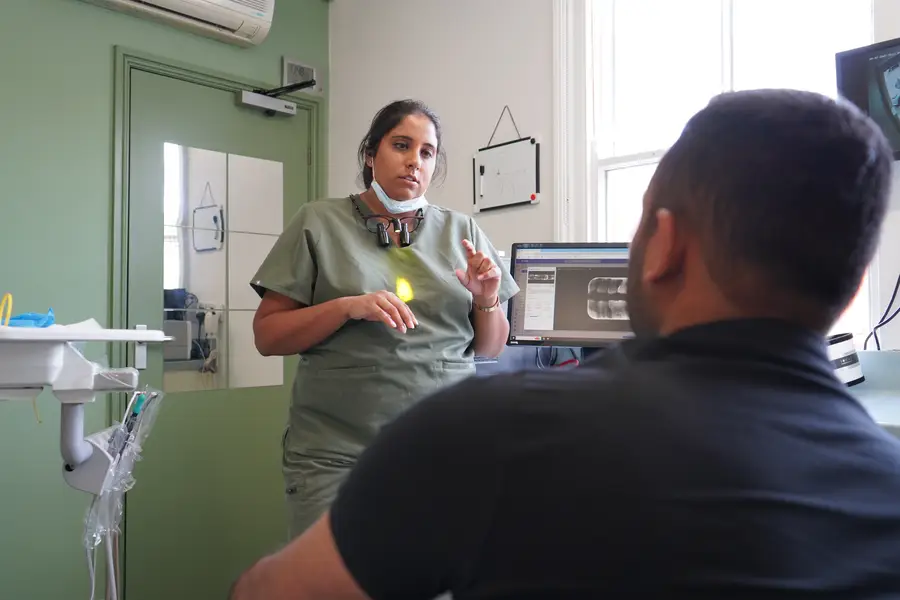
Gum health plays a vital role in maintaining a confident, lasting smile. Yet, many people in the UK experience gingivitis and gum disease without realising it. At Green Dental in Syston, Dr Radhika Mistry and her team focus on proactive dentistry-helping patients prevent issues before they become serious.
Gingivitis and gum disease occur when plaque and bacteria build up along the gum line, causing inflammation, bleeding, and bad breath. Early treatment with professional cleaning and good oral hygiene can reverse gingivitis. Visit Green Dental in Syston for gentle, preventive gum care to protect your oral health long-term.
If you’ve noticed bleeding gums, bad breath, or soreness, now is the time to learn how to protect your gums and restore your oral health.
Understanding Gingivitis and Gum Disease
Gingivitis is the earliest stage of gum disease, caused by plaque and bacteria building up along the gum line. Left untreated, it can progress into periodontitis, a more advanced form of gum disease that affects the bone supporting your teeth.
While gingivitis can often be reversed with professional care and good hygiene habits, periodontitis can cause permanent damage-including tooth loss. The key is catching the signs early and taking swift action.
At Green Dental, we believe prevention is better than cure. Our approach combines professional hygiene care, gentle cleaning techniques, and patient education to keep your gums healthy for life.
What Causes Gum Disease?
Gum disease begins when plaque, a sticky film of bacteria, isn’t fully removed through brushing and flossing. Over time, this plaque hardens into tartar, irritating the gums and leading to inflammation.
Other contributing factors include:
- Poor oral hygiene routines
- Smoking or vaping
- Poor nutrition or high sugar intake
- Hormonal changes (pregnancy, menopause, puberty)
- Certain medications
- Health conditions such as diabetes
Understanding the cause of gum disease helps us tailor a treatment plan that fits your unique needs-whether it’s lifestyle adjustments or targeted dental care.
Early Symptoms of Gingivitis to Watch For
Gum disease often develops quietly. You may not feel pain until it’s advanced, but early symptoms can include:
- Bleeding when brushing or flossing
- Red, swollen, or tender gums
- Persistent bad breath (halitosis)
- Receding gum line or teeth appearing longer
- A change in how your teeth fit together
If you notice any of these signs, it’s important to book a dental check-up. According to the NHS guidance on gum disease, early treatment is essential to prevent gingivitis from progressing into more severe periodontitis. Early intervention at Green Dental can reverse gingivitis before permanent damage occurs.
From Gingivitis to Gum Disease – What Happens If It’s Left Untreated
When gingivitis is ignored, it can progress into periodontitis, where infection spreads beneath the gum line and damages the supporting bone. This stage can lead to loose teeth, gum recession, and eventually tooth loss.
Untreated gum disease is also linked to systemic health conditions, including:
- Heart disease
- Stroke
- Diabetes complications
- Low birth weight or premature births
Your mouth is the gateway to your overall health. By maintaining healthy gums, you’re protecting much more than your smile.
How to Treat Gingivitis and Gum Disease Early
The earlier gum disease is detected, the easier it is to treat. At Green Dental, we use gentle, evidence-based methods to restore your gum health and prevent future issues.
Professional Cleaning (Scale and Polish)
Our dental hygienist removes plaque and tartar from the tooth surface and gum line, leaving gums clean and refreshed.
Root Planing (Deep Cleaning)
For more advanced cases, deep cleaning removes bacteria beneath the gums and smooths root surfaces to promote healing.
Antibacterial Treatments
In some cases, your dentist may recommend medicated mouthwashes or antibiotics to control infection and reduce inflammation.
Home Care Guidance
We’ll help you master the correct brushing and flossing technique, recommend interdental brushes, and provide practical advice on diet and maintenance.
Green Dental’s gentle, compassionate approach ensures every treatment is comfortable and effective-particularly for anxious patients or those returning to dental care after a long break.
How to Prevent Gum Disease Long-Term
Healthy gums rely on consistent care. Follow these simple steps to keep them strong:
- Brush twice daily with fluoride toothpaste
- Clean between teeth daily with floss or interdental brushes
- Book regular dental check-ups and hygiene appointments
- Avoid smoking and maintain a balanced diet
- Drink plenty of water to wash away bacteria
If you already have dental implants or a history of gum disease, routine professional cleaning is especially important to prevent recurrence.
When to See a Dentist About Gum Problems
Bleeding gums aren’t normal, and waiting rarely makes the problem go away. Schedule a visit to Green Dental if you experience:
- Ongoing bleeding or swelling
- Persistent bad breath
- Loose or shifting teeth
- Sensitivity along the gum line
If you’re noticing any of these symptoms, it’s best to book a professional examination as soon as possible. Early treatment can prevent minor irritation from progressing into more serious gum disease.
Our team provides a calm, understanding environment for all patients – including families, children, and those who feel nervous about treatment. We also offer:
- Gentle, preventive care with our dental hygienist to keep gums healthy.
- Comprehensive general dentistry services for long-term oral health.
- Advanced restorative solutions such as dental implants if gum disease has led to tooth loss.
Green Dental’s proactive approach means you’ll always receive advice, treatment, and follow-up tailored to your needs – helping you maintain healthy gums and a confident smile.
Gum Health and Dental Implants – Why It Matters
Healthy gums are the foundation of successful dental implants. Without strong, infection-free gum tissue, implants can’t properly fuse with the bone.
That’s why Dr Radhika Mistry prioritises gum health assessments before any implant treatment. By treating gingivitis early, patients are better prepared for long-term restorative success.
Why Choose Green Dental for Gum Disease Treatment in Syston
- Led by Dr Radhika Mistry (GDC 244206), a caring general and implant dentist passionate about proactive oral care.
- Experienced in treating families, children, and anxious patients.
- Focused on prevention and long-term dental wellness.
- Modern, comfortable clinic in Syston serving Leicester and surrounding areas.
- Transparent communication and patient education every step of the way.
We work with you to develop personalised hygiene and treatment plans, helping you maintain strong, healthy gums for life.
Book Your Gum Health Check at Green Dental
If you’ve noticed bleeding gums or soreness, don’t ignore the signs. Early treatment can prevent permanent damage and keep your smile healthy for years to come.
Contact Green Dental in Syston today to book your gum health check or hygiene appointment. Call us on 01162 604 604, or use our Online Booking Form to arrange your visit.
Your gums deserve care, attention, and expertise – let’s protect your smile together.
FAQs
1. What’s the difference between gingivitis and gum disease?
If you notice redness, swelling, or bleeding when you brush or floss, it may be gingivitis which is the first stage of gum disease. It’s usually reversible with good oral hygiene and professional cleaning. If this is not treated, it can lead to periodontitis, where the infection damages the supporting bone and tissues around the teeth, potentially leading to tooth loss.
2. Can gingivitis be reversed at home?
Mild gingivitis can often improve with better brushing, flossing, and the use of an antibacterial mouthwash. However, once plaque hardens into tartar, only a dental professional can remove it. Visiting the hygienist for a thorough clean gives your gums the best chance to heal and stay healthy.
3. How do dentists treat gum disease?
Treatment depends on how advanced the condition is. Gingivitis is typically treated with a professional scale and polish and improved home care. More advanced gum disease may require deep cleaning (root planing) to remove bacteria under the gum line. In some cases, antibacterial treatments or follow-up visits may also be needed to maintain progress.
4. Does gum disease cause bad breath?
Yes. Bacteria associated with gum disease can produce unpleasant odours that cause persistent bad breath. Regular dental cleanings, good daily brushing, and flossing can help remove the bacteria responsible and keep your breath fresh.
5. How often should I see a hygienist to prevent gum disease?
Most patients benefit from seeing a dental hygienist every six months, but if you’re prone to gum issues or have implants, you may need more frequent visits. Your dentist or hygienist at Green Dental can recommend the best schedule based on your gum health.
Explore our other blog posts
December 28, 2025
White Spots: What They Mean and When to See a Periodontist
November 28, 2025
Can Gum Disease Be Reversed? Your Complete Guide
September 29, 2025