Vitamin D and Gum Health: How This Essential Vitamin Supports a Healthy Smile
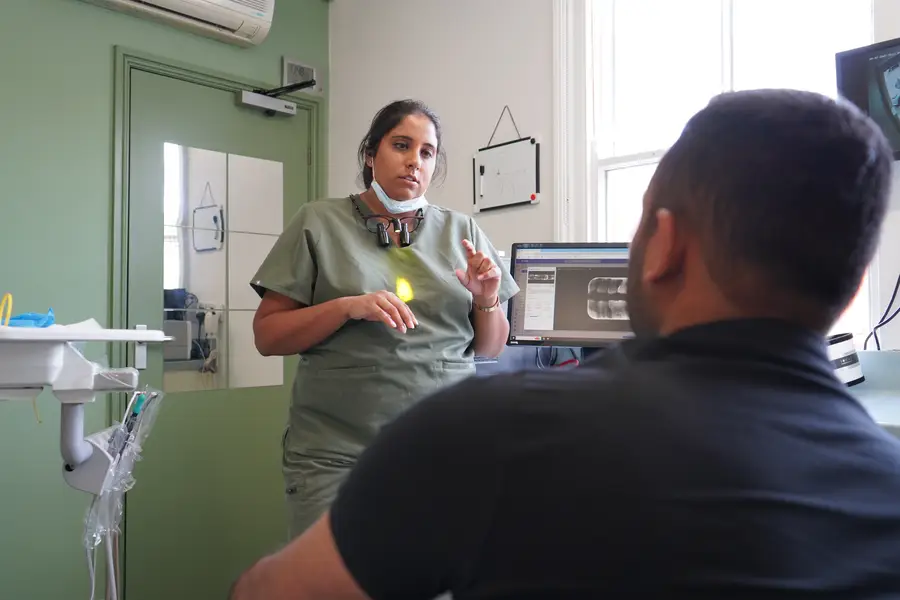
When we think about vitamin D, we usually associate it with strong bones and a healthy immune system. But what many people don’t realise is that vitamin D is also closely linked to the health of your gums and teeth.
Vitamin D supports gum health by helping your body absorb calcium, regulating inflammation, and strengthening your immune system against bacteria that cause gum disease. Low vitamin D levels are linked to bleeding gums, gum recession, and bone loss around teeth, making this vitamin essential for preventing periodontal disease and maintaining a healthy smile.
At Green Dental in Syston, Leicester, we see many patients with gum disease who are surprised to learn that their vitamin D levels may be playing a part. In this blog, we’ll explain how vitamin D supports gum health, the risks of deficiency, and how you can make sure you’re getting enough.
Why Vitamin D Matters for Oral Health
Vitamin D is essential because it helps your body absorb calcium and phosphate – two minerals that are key to strong teeth and bones. But beyond that, vitamin D plays a direct role in:
- Reducing inflammation in the gums
- Helping your body fight oral infections
- Regulating the immune system
- Supporting bone density around the teeth
This means vitamin D isn’t just about keeping your teeth strong; it’s also about keeping your gums resilient against disease.
Vitamin D and Gum Disease: The Connection
Gum disease (periodontitis) is one of the leading causes of tooth loss in adults. It begins with a bacterial infection in the gums, which triggers inflammation. Over time, this inflammation can damage gum tissue and bone, leading to tooth mobility and loss.
Vitamin D helps protect against gum disease in several ways:
- Immune regulation – Vitamin D keeps your immune response in balance, preventing excessive inflammation.
- Anti-bacterial properties – It boosts your body’s ability to fight the bacteria that cause gum disease.
- Bone support – Gum disease often leads to bone loss around the teeth. Adequate vitamin D levels help maintain bone density.
Signs of Low Vitamin D and Gum Health Problems
Studies have shown that people with low vitamin D are more likely to develop gum disease and related symptoms, such as:
- Swollen, red, or tender gums
- Bleeding gums when brushing or flossing
- Gum recession (teeth looking longer)
- Loose teeth
- Bad breath caused by bacteria buildup
If you’re experiencing any of these symptoms, it’s important to see a dentist for an assessment. While vitamin D can help, gum disease requires professional treatment to prevent long-term damage.
How Much Vitamin D Do You Need?
In the UK, it’s difficult to get enough vitamin D from sunlight alone – especially between October and March when daylight hours are short. That’s why many people are deficient without even knowing it.
The NHS recommends: Adults and children over 4 should take 10 micrograms (400 IU) of vitamin D daily.
Supplements are often needed, as diet and sunlight may not provide enough.
Best Sources of Vitamin D
You can get vitamin D from:
- Sunlight – Safe exposure for 10–30 minutes a few times a week.
- Eggs – Particularly the yolks.
- Fortified foods– Breakfast cereals, plant-based milk, and margarine.
- Fatty fish – Salmon, mackerel, sardines, and tuna.
- Supplements – Vitamin D3 supplements are the most effective for raising blood levels.
If you’re unsure whether you’re deficient, ask your GP for a blood test.
Can Vitamin D Prevent Gum Disease on Its Own?
While vitamin D is important, it isn’t a cure-all. Gum disease is caused by bacteria, so good oral hygiene and professional care are still essential. Here’s what works best in combination:
- Flossing or using interdental brushes
- Maintaining healthy vitamin D levels
- Brushing twice daily with fluoride toothpaste
- Seeing your dentist or hygienist regularly
- Eating a balanced diet
Think of vitamin D as an important piece of the puzzle – but not the only piece.
Specialist Gum Care at Green Dental
At Green Dental, we’re committed to proactive dentistry – helping patients prevent problems before they become serious. That includes raising awareness of the link between nutrition, immunity, and gum health.
We’re also proud to offer specialist care from Dr Dhroov, who has a special interest in periodontology (gum disease). Completed a Postgraduate Diploma in Periodontology with RW Perio, Harley Street (2024). Currently working towards an MSc in Specialist Practice of Periodontology tailored treatment plans for gum health and prevention referrals from other dentists as well as self-referrals.
From September, Dr Dhroov will be offering periodontal support treatments at Green Dental – giving patients in Leicester and beyond access to advanced gum care.
Why Choose Green Dental in Syston, Leicester?
- Experienced team led by Dr Radhika Mistry and Dr Dhroov
- Friendly, family-focused approach
- Advanced treatments including implants, Invisalign, and gum therapy
- Proactive, preventative dental care
- Convenient Syston location with easy access for Leicester residents
- 0% finance options available
FAQs About Vitamin D and Gum Health
1. Can low vitamin D cause bleeding gums?
Yes. Low vitamin D levels are linked to gum inflammation, which can make gums bleed more easily.
2. What is the best vitamin for gum health?
Vitamin D is essential, but vitamins C and K, along with calcium, also play important roles in gum and bone health.
3. Should I take vitamin D supplements for oral health?
Most adults in the UK benefit from a daily vitamin D supplement, especially in the winter months. Always follow NHS guidance or speak to your GP first.
4. Will vitamin D cure gum disease?
No – gum disease needs professional dental treatment. Vitamin D helps reduce inflammation and strengthen your immune response, but it works best alongside brushing, flossing, and dental care.
5. What should I do if I’m worried about my gums?
Book a dental check-up. At Green Dental, we can assess your gum health, recommend treatment if needed, and provide personalised advice on nutrition and oral hygiene.
Book Your Gum Health Consultation Today
If you’re worried about bleeding gums, gum recession, or bad breath, now is the time to take action. With specialist periodontal care at Green Dental, you can protect your smile and improve your long-term oral health.
📍 Green Dental, 63 High Street, Syston, Leicester LE7 1GQ
📞 Call us on 0116 260 4604
🌐 Visit: www.green-dental.co.uk
Explore our other blog posts
December 28, 2025
White Spots: What They Mean and When to See a Periodontist
November 28, 2025
Can Gum Disease Be Reversed? Your Complete Guide
October 22, 2025