Top Foods to Eat (and Avoid) for Optimal Dental Health

We all know the importance of brushing, flossing, and visiting the dentist regularly to keep our teeth and gums healthy. But did you know that the foods you eat play a crucial role in maintaining optimal dental health? Our diets can either help strengthen our teeth and gums or contribute to cavities, gum disease, and tooth decay.
For optimal dental health, eat calcium-rich foods like dairy, leafy greens, and nuts to strengthen enamel, and crunchy fruits and vegetables to clean teeth naturally. Avoid sugary, acidic, and sticky foods like candy, soda, and dried fruit, which promote decay and enamel erosion. A balanced diet supports strong teeth and gums.
This guide will walk you through the top foods that promote strong, healthy teeth, as well as the foods you should avoid to protect your smile. Let’s dive into how your diet impacts your dental health and what you can do to keep your teeth in tip-top shape.
The Link Between Diet and Dental Health
What we eat has a direct impact on our oral health. Certain foods can strengthen your teeth and gums, while others may increase the risk of decay and gum disease. The right diet can help your body supply essential nutrients to your teeth and gums, strengthening enamel, reducing inflammation, and preventing cavities. On the other hand, sugary, acidic, and sticky foods can lead to plaque build-up, enamel erosion, and long-term dental problems.
By making smart food choices, you can support your dental hygiene routine and keep your teeth strong and healthy for years to come.
Foods That Promote Optimal Dental Health
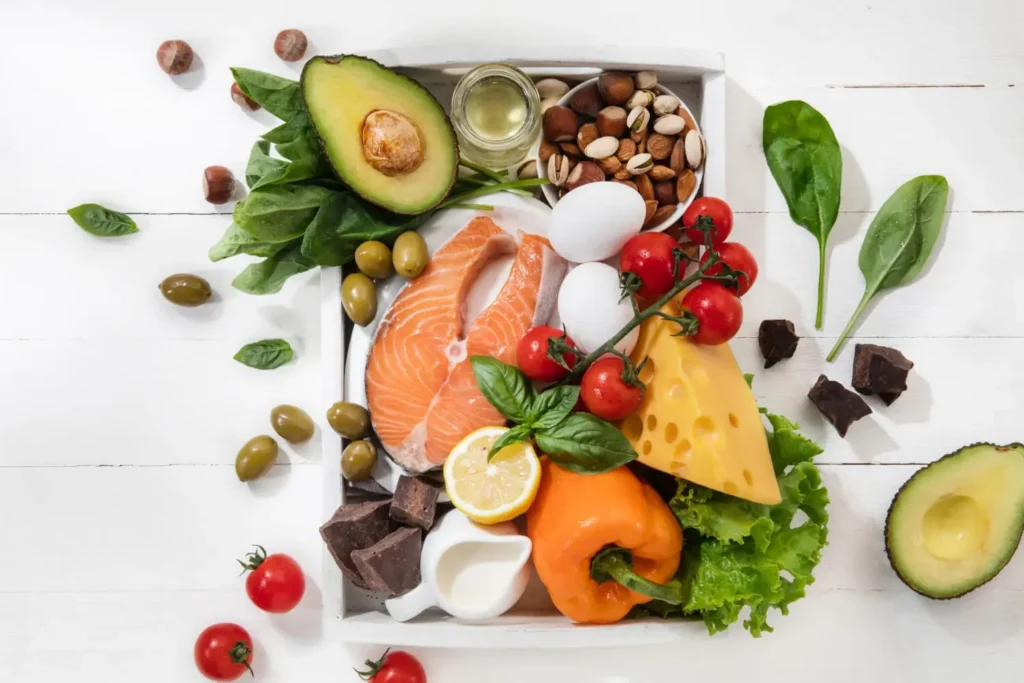
1. Dairy Products: Strengthening Enamel
Dairy products such as milk, cheese, and yogurt are some of the best foods for promoting dental health. These products are high in calcium and phosphorus, which are essential minerals for building and maintaining strong tooth enamel.
- Cheese is particularly beneficial because it not only provides calcium but also stimulates saliva production. Saliva is your mouth’s natural defense against acid that can wear down enamel.
- Yogurt is another great option, as it contains probiotics that benefit your gums by reducing harmful bacteria. Choose plain, unsweetened yogurt to avoid added sugars.
2. Crunchy Vegetables and Fruits: Nature’s Toothbrush
Crunchy fruits and vegetables, such as apples, carrots, and celery, are not only healthy but also act as natural toothbrushes for your teeth. The crunchy texture helps scrub away plaque and food particles from your teeth, while the high water content dilutes sugars and stimulates saliva production.
- Apples help naturally clean your teeth, due to their fibrous texture that stimulates the gums and increases saliva, which reduces the risk of cavities.
- Carrots and celery are packed with vitamins, especially vitamin A, which is crucial for maintaining the health of your tooth enamel.
3. Leafy Greens and High-Fibre Foods
Leafy greens such as spinach, kale, and broccoli are packed with vitamins and minerals, including calcium and folic acid, which contribute to overall dental health. These greens are low in calories but rich in fibre, making them excellent for oral health.
- Spinach and kale contain calcium that strengthens tooth enamel, while the fibre content helps clean the teeth as you chew, reducing plaque build-up.
- Broccoli not only contains calcium but also helps coat teeth with iron, providing a protective barrier against acid and enamel erosion.
4. Nuts and Seeds: A Protein-Packed Punch for Teeth
Nuts and seeds, such as almonds, walnuts, and chia seeds, are full of essential nutrients like calcium, phosphorus, and protein. These nutrients are vital for strengthening tooth enamel and keeping your gums healthy.
- Almonds are low in sugar and high in calcium, making them an ideal snack for promoting dental health.
- Walnuts and chia seeds are rich in omega-3 fatty acids, which have anti-inflammatory properties that help prevent gum disease.
5. Fish Rich in Omega-3 Fatty Acids
Fish such as salmon, mackerel, and sardines are excellent sources of omega-3 fatty acids and vitamin D. Omega-3s have anti-inflammatory effects that can reduce the risk of gum disease, while vitamin D aids in the absorption of calcium, helping to keep your teeth and gums strong.
- Salmon is particularly beneficial because it’s one of the best sources of vitamin D, which is essential for calcium absorption and maintaining bone density in your jawbone.
- Mackerel and sardines are also packed with omega-3 fatty acids, which promote healthy gums and reduce the risk of periodontal disease.
Foods to Avoid for Optimal Dental Health

1. Sugary Foods and Drinks: The Main Culprit Behind Cavities
Sugar is one of the worst enemies of dental health. When sugar comes into contact with the bacteria in your mouth, it creates acid, which attacks the enamel of your teeth and can lead to cavities.
- Sugary drinks like soda, energy drinks, and fruit juices are especially harmful because they not only contain high amounts of sugar but also bathe the teeth in acid. Frequent consumption of these drinks can lead to enamel erosion and tooth decay.
- Candy and sweets, especially sticky ones like toffees, gummies, and caramel, can cling to your teeth and provide a long-lasting source of sugar for bacteria to feed on.
Tip: If you do consume sugary foods or drinks, try to limit them to mealtimes and drink plenty of water afterward to help rinse away the sugar.
2. Acidic Foods and Drinks: Erosion of Tooth Enamel
Acidic foods and drinks, such as citrus fruits, vinegar, and soda, can erode the enamel of your teeth over time. While citrus fruits like oranges, lemons, and grapefruits are healthy in moderation, their high acidity can weaken enamel if consumed excessively.
- Carbonated drinks, including sodas and sparkling water, are particularly acidic and can contribute to enamel erosion. Even sugar-free versions can be harmful due to their acidity.
- Vinegar-based products, such as pickles and salad dressings, are acidic and can wear down enamel when consumed in large amounts.
Tip: After eating acidic foods, wait at least 30 minutes before brushing your teeth to avoid brushing softened enamel.
3. Sticky and Chewy Foods: Clinging to Cavities
Sticky foods like caramel, toffee, dried fruit, and gummy candies can stick to your teeth for long periods, making it difficult for saliva to wash away the sugars. The longer these foods remain on your teeth, the more likely they are to contribute to tooth decay.
- Dried fruits may seem like a healthy snack, but they are concentrated with sugar and often cling to your teeth, providing a perfect environment for bacteria to thrive.
- Chewy candies like toffees and gummies not only stick to teeth but can also pull out dental fillings, crowns, or other dental work.
Tip: If you do eat sticky foods, brush and floss your teeth soon after to remove any remaining particles.
4. Starchy Foods: Breaking Down into Sugar
Starchy foods like white bread, potato chips, and pasta can get stuck in the crevices of your teeth and break down into simple sugars. These sugars feed bacteria that produce acid, leading to plaque build-up and tooth decay.
- White bread can turn gummy in your mouth and stick to your teeth, creating the perfect environment for bacteria to thrive.
- Potato chips, while crunchy at first, break down into starchy particles that often get lodged between your teeth.
Tip: If you eat starchy foods, rinse your mouth with water and floss to remove any trapped particles.
5. Alcohol and Tobacco: Major Risks to Gum Health
While not food-related, alcohol and tobacco have a significant impact on dental health.
- Alcohol causes dehydration and dry mouth, reducing saliva production. Without enough saliva to wash away food and neutralise acids, your risk of tooth decay and gum disease increases.
- Tobacco, whether smoked or chewed, is harmful to both your teeth and gums. It can lead to gum disease, tooth discolouration, and even oral cancer.
Tip: Limit alcohol consumption and avoid tobacco products to protect your oral health.
The Role of Hydration in Dental Health
One of the simplest ways to protect your teeth is by staying hydrated. Water helps rinse away food particles, bacteria, and acids that can lead to cavities and gum disease. Drinking water throughout the day keeps your mouth moist and helps stimulate saliva production, which is essential for maintaining a healthy pH balance in your mouth.
Additionally, many water sources contain fluoride, a mineral that strengthens enamel and helps prevent tooth decay.
Tip: Drink water after meals and snacks to help rinse your mouth and neutralise harmful acids.
Tips for Maintaining a Dental-Friendly Diet
1. Balance Your Meals and Snacks
Make sure your meals are balanced and include foods rich in calcium, vitamin D, and fibre, which are essential for maintaining strong teeth and gums. Snack wisely by choosing dental-friendly options like nuts, cheese, crunchy vegetables, and fruit instead of sugary or starchy foods.
2. Rinse Your Mouth After Sugary or Acidic Foods
If you indulge in sugary or acidic foods, rinse your mouth with water immediately after eating to help reduce the risk of decay. Avoid brushing your teeth right after consuming acidic foods, as this can wear down softened enamel.
3. Choose Dental-Friendly Snacks
Swap unhealthy snacks for those that promote dental health. For example, choose raw vegetables, nuts, cheese, or yogurt over candy or chips. These snacks not only satisfy hunger but also help clean your teeth and stimulate saliva.
Dental Supplements for Healthy Teeth
In addition to eating a healthy diet, certain supplements can help support your dental health. Supplements like calcium, vitamin D, and vitamin K2 are essential for maintaining strong teeth and healthy gums.
- Calcium strengthens tooth enamel and bones.
- Vitamin D helps your body absorb calcium more efficiently.
- Vitamin K2 directs calcium to the bones and teeth, preventing it from being deposited in the arteries.
Conclusion: How Diet Impacts Your Oral Health
Your diet plays a crucial role in maintaining your dental health. By incorporating tooth-friendly foods like dairy, crunchy vegetables, and nuts into your daily meals, and by avoiding sugary, sticky, and acidic foods, you can support your oral hygiene routine and keep your teeth and gums healthy for the long term.
Remember, good nutrition goes hand-in-hand with regular brushing, flossing, and dental check-ups. If you’re looking for more personalised advice on how to maintain a dental-friendly diet, schedule an appointment with Green Dental Care today.
Explore our other blog posts
December 28, 2025
White Spots: What They Mean and When to See a Periodontist
November 28, 2025
Can Gum Disease Be Reversed? Your Complete Guide
October 22, 2025