Receding Gums Stages Explained: When to Seek Treatment
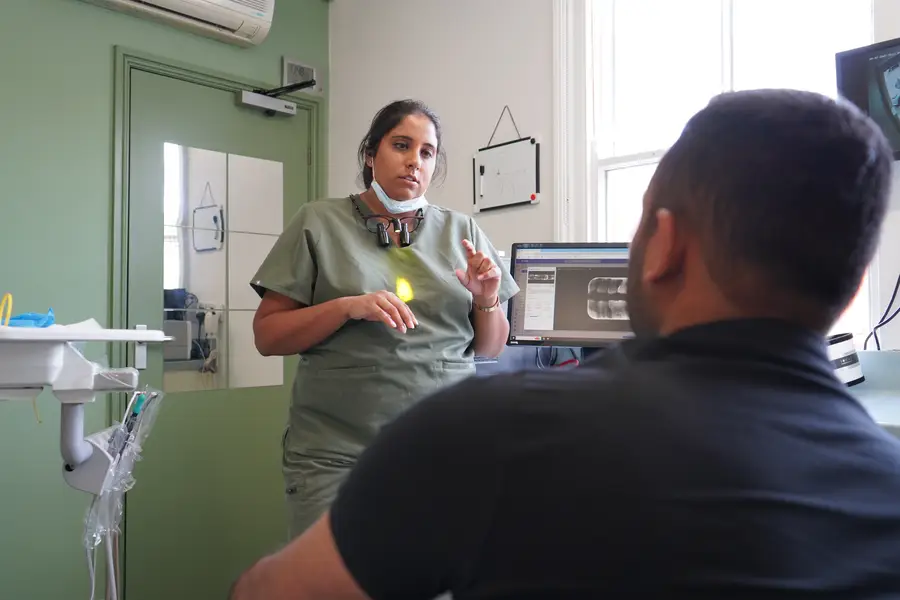
Gum recession, often referred to as receding gums, is a condition where the gum tissue surrounding your teeth begins to pull back, exposing more of the tooth or even its root. While it might seem like a cosmetic issue at first, gum recession can lead to serious oral health problems, including increased sensitivity, a higher risk of tooth decay, and even tooth loss if left untreated.
One of the earliest signs of gum recession is tooth sensitivity, particularly when consuming hot, cold, or sweet foods. You may also notice your teeth appearing longer or a change in your gum line’s shape. These subtle symptoms often go unnoticed until the condition progresses.
In this post, we’ll break down the stages of gum recession, the causes, and the treatment options available. By understanding these stages and acting early, you can prevent further damage and avoid the need for invasive procedures.
What Are Receding Gums?
When the gum tissue that covers and supports your teeth gradually deteriorates or recedes, more of the tooth or even its root becomes visible. This condition is known as receding gums.This condition often develops slowly, making it easy to overlook in its early stages.
Healthy gums play a crucial role in protecting your teeth. They act as a seal that shields the roots from harmful bacteria, debris, and potential decay. When gums recede, this protective barrier weakens, leaving your teeth and supporting bone structure vulnerable to damage.
Contrary to popular belief, gum recession isn’t just a cosmetic concern. While the “long-tooth” appearance it causes may affect your smile’s aesthetics, it’s also a significant functional issue. Exposed tooth roots can lead to increased sensitivity, a higher risk of cavities, and, if untreated, tooth instability or loss.
One common misconception about receding gums is the idea that they can grow back naturally. Unfortunately, once gum tissue is lost, it doesn’t regenerate. However, early intervention and professional treatment can stop the condition from progressing and, in some cases, restore lost tissue through surgical procedures.
Understanding what receding gums are and their potential consequences is the first step towards protecting your oral health.
The Stages of Receding Gums
Stage 1: Mild Recession
In its earliest stage, gum recession can be so subtle that it often goes unnoticed. Mild recession occurs when the gum tissue begins to pull back slightly, exposing a small portion of the tooth root. The changes are minimal but can still impact your oral health if left unaddressed.
Symptoms at this stage may include slight sensitivity, especially to hot or cold foods and drinks. You might also notice your teeth looking marginally longer, but the changes are usually too subtle to raise immediate concern.
The good news is that mild recession is manageable with early recognition and proper care. Further damage can be avoided by practicing better oral hygiene habits, such as frequent flossing and careful brushing with a soft-bristled toothbrush. Routine dental check-ups are crucial, as your dentist can identify early signs of gum recession and provide advice or preventive treatments to halt progression.
Stage 2: Moderate Recession
As gum recession progresses to the moderate stage, the condition becomes more noticeable and can start to affect your daily comfort. At this stage, more of the tooth root is exposed, leading to increased sensitivity and the formation of small pockets between the gum and tooth.
These pockets become a breeding ground for bacteria and plaque, exacerbating gum irritation and inflammation. Symptoms often include persistent sensitivity to temperature changes, discomfort when eating, and visible changes to the gum line. Gums may also appear swollen or bleed more frequently when brushing or flossing.
At this stage, professional dental treatment is essential to prevent further damage. Scaling and root planing, a deep cleaning technique that eliminates plaque and tartar accumulation beneath the gum line, is usually advised by dentists. This treatment helps reduce pocket depth and promotes gum healing, stabilising the condition and preventing further recession.
Stage 3: Severe Recession
Severe gum recession is the most advanced stage, characterised by significant loss of gum tissue. At this point, large portions of the tooth root are exposed, and the underlying bone may also be affected. The teeth may feel loose or unstable, and gaps may form between them due to the lack of structural support.
Symptoms at this stage include chronic sensitivity, pain when chewing, and a noticeable impact on the appearance of your teeth and smile. Severe recession can also lead to infections, abscesses, and even tooth loss if untreated.
Advanced interventions are often necessary to manage severe recession. Gum graft surgery is a common solution, where tissue is taken from another part of your mouth (or a donor source) and grafted over the exposed root. Other restorative procedures, such as the pinhole surgical technique, can reposition existing gum tissue without invasive grafting.
Without prompt treatment, severe gum recession can severely impact your oral health, making early intervention at every stage vital.
Causes and Risk Factors for Receding Gums
Gum recession can result from a combination of factors, some of which are preventable with better habits and care. Understanding these causes and risk factors is essential for protecting your gums and oral health.
Main Causes of Receding Gums
- Aggressive Brushing: Brushing too hard or using a hard-bristled toothbrush can erode gum tissue over time. While thorough cleaning is important, it’s crucial to use gentle circular motions with a soft-bristled brush.
- Gum Disease: Gum recession is largely caused by periodontal disorders including gingivitis and periodontitis. Gum tissue and the bone beneath your teeth are harmed by these illnesses.
- Smoking and Tobacco Use: Tobacco products reduce blood flow to the gums, slowing their healing and making them more prone to damage and infection.
- Orthodontic Issues: Misaligned teeth or an improper bite can create uneven pressure on your gums, leading to recession.
- Lip or Tongue Piercings: Oral piercings can irritate gum tissue, causing it to wear away over time due to constant friction.
Risk Factors
Certain factors increase the likelihood of developing gum recession:
- Poor oral hygiene habits.
- Hormonal changes, such as during pregnancy, puberty, or menopause.
- Stress, which can lead to teeth grinding (bruxism) and poor oral care.
- Diets high in sugar and acidic foods, which contribute to tooth decay and gum inflammation.
- Genetic predisposition to thin or fragile gum tissue.
The Role of Genetics and Lifestyle
Some individuals inherit thinner gum tissue, making them more susceptible to recession, even with good oral hygiene. Lifestyle choices, such as a poor diet, smoking, or chronic stress, can exacerbate the issue, weakening gum health over time.
By recognising these causes and risk factors, you can take steps to minimise gum damage and maintain healthier gums for years to come.
When to Seek Treatment
Ignoring the early signs of gum recession can lead to more severe dental problems over time. What begins as mild sensitivity or a slightly receding gum line can progress to exposed roots, gum infections, and even tooth loss if left untreated. Acting early is crucial to preventing these complications and ensuring the long-term health of your teeth and gums.
You should book a dental appointment if you notice:
- Persistent sensitivity or discomfort: If your teeth react strongly to hot, cold, or sweet foods, it may be a sign of exposed roots.
- Visible changes in your gum line: Teeth that appear longer or unevenly shaped could indicate gum recession.
- Bleeding gums: Gums that bleed during brushing or flossing, even with improved hygiene, need professional attention.
Regular dental check-ups play a critical role in catching gum recession early. Dentists can identify subtle changes in your gums and provide preventive care before the condition worsens. These visits also allow for professional cleaning, which can remove plaque and tartar that contribute to gum irritation and recession.
If you suspect any signs of gum recession, don’t delay seeking help. Early intervention can prevent the need for invasive treatments and help maintain a healthy, confident smile.
Treatment Options for Receding Gums
Treating receding gums requires professional care tailored to the stage and severity of the condition. Modern dentistry offers several effective options to stop gum recession, restore lost tissue, and protect your oral health.
Scaling and Root Planing
For early-stage gum recession, scaling and root planing is a non-surgical deep-cleaning procedure. Plaque and tartar are removed from below the gum line, and the tooth roots are smoothed to discourage further bacterial buildup. This helps the gum tissue reattach to the tooth and prevents further progression.
Gum Graft Surgery
Moderate to severe gum recession often requires gum graft surgery. This involves taking healthy tissue from another part of your mouth (or a donor source) and grafting it onto the affected area. This procedure restores lost gum tissue, protects exposed roots, and improves the appearance of the gum line.
Pinhole Surgical Technique
A newer, minimally invasive procedure, the pinhole surgical technique, allows dentists to reposition existing gum tissue without incisions or stitches. This method reduces recovery time and discomfort while effectively covering exposed roots.
Desensitising Treatments
For those experiencing sensitivity during the early stages of gum recession, desensitising toothpaste and fluoride treatments can help manage discomfort and protect exposed roots from decay.
Advancements in Modern Dentistry
Technological innovations, such as laser treatments, have made gum care more precise and less invasive. Lasers can remove infected tissue and stimulate gum regeneration, offering a less painful alternative to traditional surgical methods.
Tailored treatment is essential, as every case of gum recession is unique. Consulting a dental professional ensures you receive the most appropriate care for your specific needs, whether through prevention, intervention, or restoration. Early action can help you regain healthy gums and protect your smile for years to come.
Preventing Gum Recession
Preventing gum recession starts with adopting healthy habits that protect your gums and teeth. By taking proactive steps, you can maintain strong gums and reduce the risk of recession.
Actionable Tips to Protect Your Gums
- Brush Gently with a Soft-Bristled Toothbrush: Aggressive brushing can wear away gum tissue over time. Use a toothbrush with soft bristles and apply light pressure in gentle, circular motions to clean your teeth effectively without causing damage.
- Floss Regularly and Carefully: Flossing removes plaque and debris between teeth, but it’s essential to be gentle as it can damage and irritate gums.
- Avoid Smoking: Smoking weakens your gum tissue and slows healing, making your gums more vulnerable to damage and disease.
- Limit Sugary and Acidic Foods: A diet high in sugar and acidic substances contributes to tooth decay and gum inflammation, increasing the risk of gum recession.
- Manage Stress: Stress often leads to teeth grinding (bruxism), which puts pressure on your gums. Consider using a mouthguard or practicing stress-relief techniques to protect your oral health.
Professional Cleanings and Routine Check-Ups
Regular dental visits are crucial for preventing gum recession. Professional cleanings remove plaque and tartar that brushing alone can’t tackle, while routine check-ups allow your dentist to monitor your gum health and catch early signs of recession before they progress.
By following these preventive measures, you can preserve healthy gums and maintain a confident, bright smile.
Conclusion
Receding gums can start as a minor issue but, if left unaddressed, can lead to significant oral health problems like tooth sensitivity, decay, and even tooth loss. Identifying the signs early and seeking timely treatment can prevent further damage and restore your gum health.
Whether you’re dealing with mild sensitivity or more advanced symptoms, there are effective treatment options available for every stage of gum recession.
If you’re concerned about your gums, don’t wait—contact Green Dental today to book a consultation or check-up. Our team is here to help you protect your smile and maintain healthy gums for years to come.
Explore our other blog posts
December 28, 2025
White Spots: What They Mean and When to See a Periodontist
November 28, 2025
Can Gum Disease Be Reversed? Your Complete Guide
October 22, 2025