How Root Canals Are Done: Step-by-Step Guide From Green Dental
Tooth pain, swelling, or sensitivity that won’t go away?
You might be dealing with an infected tooth, and a root canal could be the treatment you need to save it.
At Green Dental, we understand that the idea of a root canal can sound daunting. But thanks to modern techniques, advanced technology, and our experienced team, the procedure is straightforward, comfortable, and highly effective.
A root canal is a procedure used to save an infected or damaged tooth. It’s done by removing the infected pulp, cleaning the canals, and sealing the tooth. With modern techniques and expert care, the treatment is comfortable, effective, and helps preserve your natural smile.
In this guide, we’ll walk you through exactly how root canals are done — step by step — so you know what to expect before, during, and after your appointment.
What Is a Root Canal and When Is It Needed?
A root canal is a dental procedure used to treat injury or infection within the tooth, specifically in the dental pulp. This pulp contains nerves and blood vessels that help keep your tooth alive. When the pulp becomes infected or inflamed — usually due to deep decay, trauma, or cracks — a root canal can stop the infection from spreading and preserve the tooth.
Common signs you might need a root canal include:
- Persistent or throbbing tooth pain
- Sharp pain when biting or chewing
- Sensitivity to hot or cold that lingers
- Swollen, tender, or bleeding gums
- A darkened or discoloured tooth
If you’re experiencing any of these symptoms, Green Dental’s skilled team is here to assess your tooth and advise on the best treatment. Often, root canal therapy can prevent the need for extraction.
Step-by-Step: How Root Canal Treatment Is Done at Green Dental
1. Initial Examination and Diagnosis
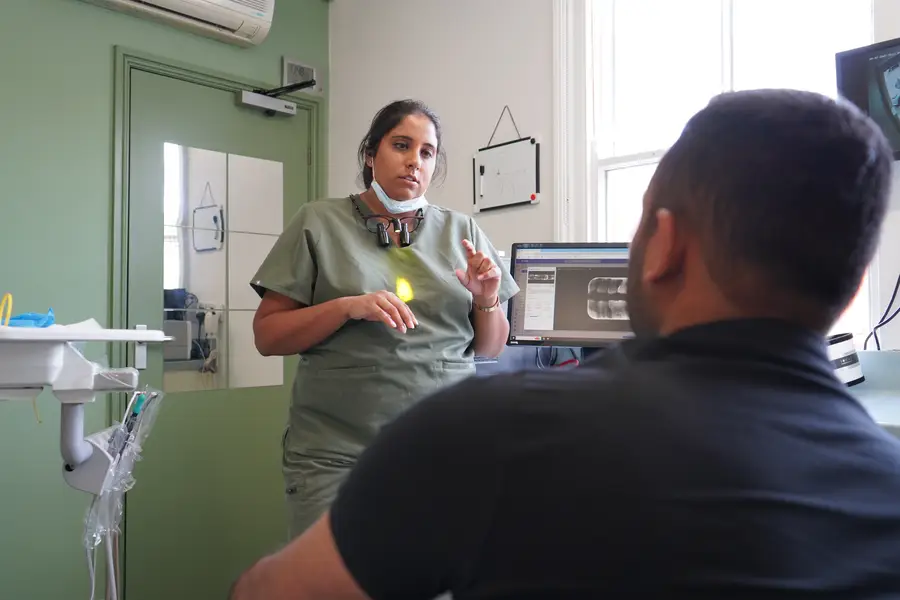
Your visit begins with a thorough assessment. We’ll take digital X-rays to check the extent of the infection and confirm whether a root canal is the right solution. Our experienced endodontist will explain everything clearly, so you feel informed and confident moving forward.
2. Local Anaesthetic and Comfort Measures
Once you’re ready, we’ll gently numb the area around the tooth using a local anaesthetic. At Green Dental, we prioritise patient comfort — especially for nervous patients — so you can relax knowing the procedure will be pain-free.
3. Accessing the Infected Pulp
We’ll create a small opening at the top of the tooth to access the infected pulp chamber. This allows our clinician to clean out the damaged or infected tissue safely and precisely.
4. Removing the Infected Tissue
Using specialised instruments, the infected pulp and nerve tissue are carefully removed. This step stops the infection at its source and relieves pressure that may have been causing pain.
5. Cleaning, Disinfection, and Shaping
Next, the root canals are cleaned and disinfected thoroughly. The canals are then shaped to allow for a precise, long-lasting seal, helping prevent bacteria from re-entering the tooth in the future.
6. Filling and Sealing the Root Canals
Once the canals are clean, they’re filled with a rubber-like material called gutta-percha, which seals the space and supports the internal structure of the tooth. A temporary filling is then placed to protect the tooth until your next visit.
7. Restoring the Tooth
In most cases, a crown is recommended to strengthen and protect the tooth long term. We’ll take impressions and fit a custom-made crown designed to blend perfectly with your natural smile.
Does a Root Canal Hurt?
This is one of the most common concerns we hear — and the short answer is no.
With modern anaesthetics and gentle techniques, root canal treatment is no more uncomfortable than getting a regular filling. Many patients say the relief from pain after treatment is immediate.
At Green Dental, we take extra care with nervous patients, offering a calm environment, clear communication, and plenty of time to ensure you feel in control at every stage.
What to Expect After a Root Canal
It’s normal to experience mild sensitivity or tenderness for a few days after the procedure. This is part of your body’s natural healing response and is usually manageable with over-the-counter pain relief.
Aftercare tips:
- Avoid chewing on the treated side until the final restoration is placed
- Stick to soft foods for the first 24 hours
- Brush and floss as normal, but gently around the area
- Attend your follow-up appointment to have your crown fitted
If pain persists or you notice swelling, contact us — your comfort and care remain our priority throughout recovery.
Why Choose Green Dental for Root Canal Treatment?
When it comes to saving your natural teeth, experience matters. At Green Dental, our dedicated endodontist provides advanced root canal therapy using the latest techniques and equipment.
We’re known for:
- Gentle treatment for nervous patients
- Expert-led endodontic care
- Modern diagnostics and digital imaging
- High-quality restorations and crowns
- A warm, welcoming environment that puts patients at ease
Whether you’re dealing with tooth pain, a dental emergency, or a long-standing issue, our team is here to help you protect your smile with professional, compassionate care.
FAQs About Root Canal Treatment
How long does a root canal take?
Most root canals can be completed in one or two visits, each lasting around 60–90 minutes, depending on the complexity.
Do I need a crown after a root canal?
In most cases, yes. A crown helps protect the tooth from fracture and restores full function and appearance.
Can a root canal fail?
While rare, root canals can fail if bacteria re-enter the tooth. At Green Dental, we use advanced sealing techniques and follow-up care to minimise this risk.
How do I know if my tooth is infected?
Persistent pain, swelling, sensitivity, and discolouration are common signs. Our team can confirm the diagnosis with an X-ray.
Is it better to extract the tooth instead?
In many cases, saving the tooth with a root canal is better for long-term oral health, function, and appearance. Extraction is a last resort and may require further treatments like dental implants or bridges.
Book Your Consultation With Green Dental
Don’t let tooth pain disrupt your life — and don’t let fear keep you from getting the care you need. At Green Dental, our endodontic team is here to provide clear, comfortable, and expert-led treatment in a calm, welcoming setting.
Ready to protect your smile?
Contact Green Dental today to book your consultation and find out if root canal treatment is right for you.
Explore our other blog posts
December 28, 2025
White Spots: What They Mean and When to See a Periodontist
November 28, 2025
Can Gum Disease Be Reversed? Your Complete Guide
October 22, 2025