How Long Does Dental Numbing Last? A Complete Guide for Patients
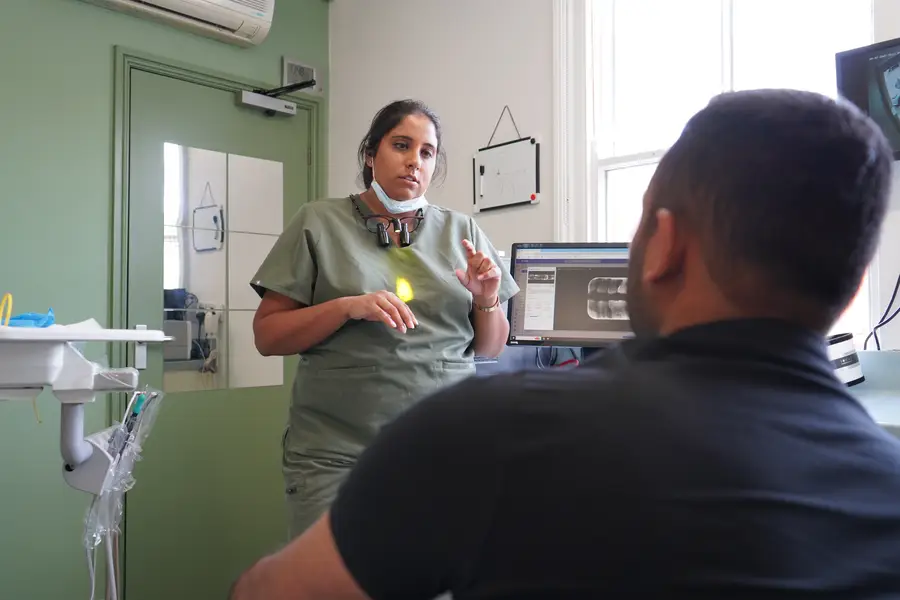
Dental numbing, also known as local anaesthesia, is a cornerstone of modern dentistry, ensuring patient comfort during procedures. However, many patients wonder how long the numbing sensation will last and what to expect as it wears off. Understanding the duration and effects of dental numbing can help ease anxiety and prepare you for your appointment.
Dental numbing typically lasts 1–3 hours, depending on factors like the type of anaesthetic, dosage, and the procedure. Sensation gradually returns, often accompanied by tingling or slight discomfort. Extended or unusual numbness is rare but should be discussed with your dentist. Understanding its duration ensures a smooth, stress-free dental experience.
In this guide, we’ll explore how long dental numbing typically lasts, what factors influence its duration, and how to manage its effects.
What Is Dental Numbing?
Dental numbing, also known as local anaesthesia, is a technique used to block pain and sensation in a specific mouth area during dental procedures. It works by temporarily interrupting nerve signals in the targeted region, ensuring that patients remain comfortable and pain-free while staying fully conscious.
Local anaesthesia is a versatile and essential part of modern dentistry. It is commonly used in procedures such as:
- Treating cavities with fillings.
- Performing root canals to save teeth.
- Extracting teeth, including wisdom teeth.
- Deep cleaning for gum disease treatment.
- Placing crowns or bridges.
Dentists typically use numbing agents like lidocaine or articaine, which are injected into the gums or near the affected area. These agents act quickly to desensitise the nerves, ensuring the patient doesn’t feel pain during the procedure. Lidocaine provides numbing effects for around two to three hours, while articaine tends to act faster and wear off slightly sooner.
By blocking pain and creating a stress-free environment, dental numbing helps patients feel at ease, allowing dentists to perform procedures efficiently and effectively without discomfort for the patient.
How Long Does Dental Numbing Last?
The duration of dental numbing typically ranges from 1 to 3 hours, depending on several factors. After this period, the sensation gradually returns as the anaesthetic wears off. Some residual effects, such as tingling or slight numbness, may last a little longer.
Factors That Affect Duration
- Type of Anaesthetic Used: Different numbing agents have varying durations. For example:
- Lidocaine lasts about 2 to 3 hours.
- Articaine often wears off faster, lasting around 1 to 2 hours.
- Dosage and Concentration: Higher doses or more concentrated solutions can prolong the numbing effect.
- Procedure Type: Longer or more complex procedures may require additional injections, extending the duration of numbness.
- Location in the Mouth: Areas with denser bone structure, such as the lower jaw, may require stronger or longer-lasting anaesthesia compared to the upper jaw.
- Individual Factors: Metabolism, age, weight, and overall health can influence how quickly your body processes the anaesthetic. For instance, younger patients or those with faster metabolisms may notice the effects wear off sooner.
Why Does the Duration Vary?
The duration of dental numbing varies because each procedure and patient is unique, requiring tailored approaches to anaesthesia. Dentists consider the type of treatment, the location in the mouth, and individual patient needs to ensure optimal pain management while minimising lingering effects.
Quick Procedures
For simple treatments like fillings, a small amount of anaesthetic is usually sufficient. These procedures require shorter durations of numbing, allowing patients to regain sensation more quickly.
Extended Procedures
In contrast, more complex treatments, such as root canals or multiple tooth extractions, may require larger doses or additional applications of anaesthetic to maintain comfort throughout the procedure. These higher doses naturally result in longer-lasting numbness.
Tailored Solutions
Dentists also account for factors like blood flow in the treatment area. For example, numbing agents may last longer in areas with lower blood flow because the bloodstream metabolises the anaesthetic more slowly. Additionally, a patient’s metabolism, age, and overall health can influence how quickly the body processes the anaesthetic.
By carefully balancing these variables, dentists ensure effective pain relief tailored to the specific needs of each patient and procedure, providing a comfortable and safe dental experience.
Managing Numbing Effects
While dental numbing is essential for comfort during a procedure, the lingering effects can sometimes be inconvenient. Here are some practical tips for managing numbness as it wears off:
- Avoid Hot Foods and Beverages: Since you won’t feel temperature changes in the numb area, consuming hot items can lead to burns or injuries.
- Refrain from Chewing: Wait until full sensation returns before eating to avoid accidentally biting your cheek, tongue, or lips.
- Stay Hydrated: Drinking water can help your body metabolise the anaesthetic faster.
- Gentle Massage: If recommended by your dentist, gently massaging the numb area can improve blood flow and speed up recovery.
- Use a Warm Compress: Applying a warm (not hot) compress to the outside of the mouth can help increase circulation.
Remember, these tips are general guidelines. If you’re unsure about what’s safe, consult your dentist at Green Dental for personalised advice.
Common Concerns About Dental Numbing
Patients often have questions or concerns about dental numbing. Here are answers to some of the most common issues:
1. Is Prolonged Numbness Normal?
It’s normal for residual numbness to last a little longer than expected, especially after extensive procedures. However, if the numbness persists beyond 4 to 6 hours, contact Green Dental.
2. Can Dental Numbing Cause Side Effects?
Although they are uncommon, side effects can include slight injection site swelling or pain. Allergic reactions to local anaesthesia are extremely uncommon but should be reported immediately if suspected.
3. What If the Numbing Doesn’t Work?
In some cases, patients may feel minor sensations during a procedure. This can happen due to anatomical differences, inflammation, or insufficient dosage. If you feel discomfort, inform your dentist so they can administer additional anaesthetic.
Post-Numbing Sensations and Aftercare
As the anaesthetic begins to wear off, you may notice various sensations in the treated area. Common experiences include tingling, itching, or a pins-and-needles feeling as nerve function gradually returns. This is a normal part of the recovery process and should subside within a few hours.
To ensure a smooth and comfortable recovery, follow these aftercare tips:
- Monitor Your Mouth: Check the numb area for accidental bites or injuries and avoid touching or poking it with your fingers or tongue. This will help prevent irritation or infection.
- Stick to Soft Foods: If you need to eat before the numbness fully subsides, choose soft or liquid foods to reduce the risk of biting your cheek, tongue, or lips.
- Avoid Alcohol and Tobacco: Both substances can irritate the treated area and potentially delay healing. It’s best to abstain until full sensation returns.
- Stay Hydrated: Drinking water can help your body metabolise the anaesthetic more efficiently, speeding up recovery.
- Over-the-Counter Pain Relief: If your dentist advises, use mild pain relievers to manage any post-procedure discomfort.
Avoid chewing gum, drinking hot beverages, or engaging in activities that could strain the numb area until full sensation returns. By following these guidelines, you can minimise discomfort and ensure a seamless recovery.
When to Seek Help
While dental numbing is generally safe and predictable, there are situations where prolonged or unusual numbness may warrant professional attention. Contact Green Dental if:
- Numbness Persists Beyond Six Hours: If the numb sensation lingers well beyond the expected duration or spreads to areas not treated, it’s a good idea to get it checked.
- Severe Pain or Swelling: Unexpected pain, swelling, or redness near the injection site could indicate an infection or other complication.
- Difficulty Breathing or Allergic Reaction Symptoms: Though extremely rare, allergic reactions to anaesthetic can occur. Symptoms like difficulty breathing, rash, or swelling of the face should be addressed immediately.
- Uneven Recovery: If one side of your mouth regains sensation significantly earlier or later than the other, it’s worth mentioning to your dentist.
Fortunately, these cases are rare, and most instances of dental numbness are resolved without issues. All our dentists at Green Dental are trained to manage any complications and provide solutions promptly, ensuring your safety and peace of mind. Don’t hesitate to reach out if you’re concerned—it’s always better to seek reassurance when in doubt.
Take the Next Step with Confidence
Dental numbing is a crucial part of modern dentistry, making treatments comfortable and stress-free. By understanding how long it lasts and how to manage its effects, you can approach your procedure with confidence. If you have additional questions or concerns, don’t hesitate to consult Green Dental. Our goal is to ensure your experience is as smooth and pain-free as possible.
Explore our other blog posts
December 28, 2025
White Spots: What They Mean and When to See a Periodontist
November 28, 2025
Can Gum Disease Be Reversed? Your Complete Guide
October 22, 2025