Dentist and Endodontist: What’s the Difference and Who Do You Need?
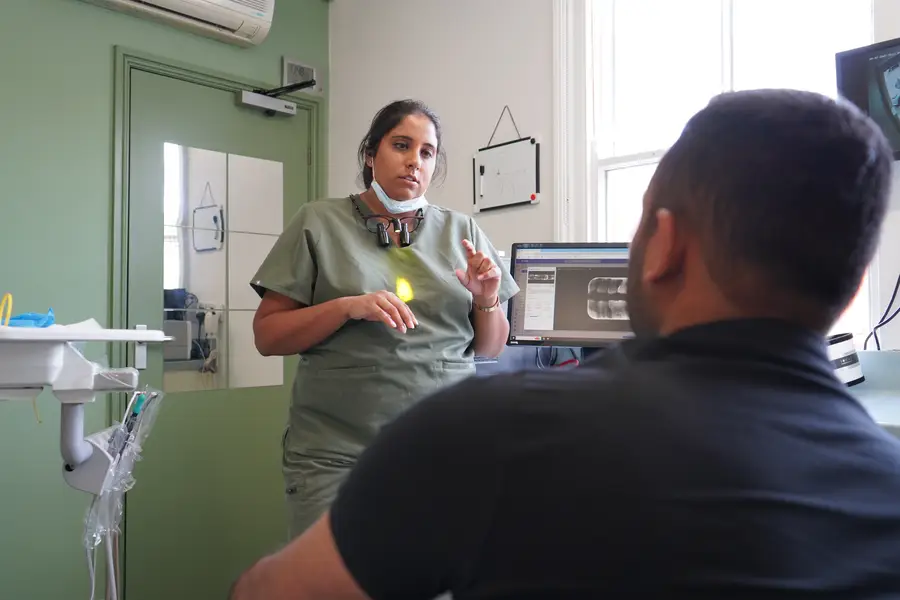
When it comes to dental care, most people are familiar with general dentists. However, when tooth pain becomes severe or an infection develops, you might be referred to an endodontist. But what exactly is the difference between a dentist and an endodontist, and how do you know which one you need?
While both professionals play crucial roles in oral health, they focus on different aspects of dental care. Dentists provide general treatments such as fillings, extractions, and routine check-ups, while endodontists specialise in diagnosing and treating issues related to the tooth pulp and root canals.
A dentist provides general oral healthcare, including check-ups, fillings, and extractions, while an endodontist is a specialist focused on diagnosing and treating tooth pain, and infections, and performing root canals. If you have persistent tooth pain or deep infection, you may need an endodontist. Otherwise, routine care is handled by a dentist.
In this guide, we’ll break down the key differences, explain when to see each specialist, and dispel common myths about endodontic treatment.
What is a General Dentist?
A general dentist is a primary healthcare provider who focuses on preventive, restorative, and cosmetic dental care. They diagnose and treat a variety of oral health issues, ensuring patients maintain healthy teeth and gums.
Common Treatments Provided by Dentists
- Routine check-ups & oral exams – Early detection of cavities, gum disease, and other dental problems.
- Fillings & cavity treatments – Repairing decayed teeth to restore function.
- Preventive care – Fluoride treatments, dental sealants, and professional cleanings to prevent decay.
- Gum disease treatment – Managing gingivitis and early periodontal disease.
- Tooth extractions – Removing teeth that are too damaged or decayed to be saved.
- Crowns, bridges, and dentures – Restorative treatments to replace missing teeth.
- Cosmetic procedures – Teeth whitening, veneers, bonding, and orthodontic consultations to improve appearance.
- Emergency dental care – Addressing toothaches, minor fractures, and gum infections.
When should you visit a dentist?
- For routine dental care and preventive check-ups.
- If you experience minor tooth pain or cavities.
- When seeking cosmetic improvements for your smile.
- If you need guidance on oral hygiene and maintaining dental health.
- If you have mild gum disease and need treatment before it worsens.
What is an Endodontist?
An endodontist is a specialist in root canal treatment and procedures related to the inside of the tooth, particularly the dental pulp and nerves. Endodontists receive additional training beyond dental school to become experts in treating complex tooth infections, trauma, and root-related problems.
Common Treatments Provided by Endodontists
- Root canal therapy – Treating deep infections and removing damaged pulp to save the tooth.
- Endodontic retreatment – Performing additional treatment if a previous root canal fails.
- Apicoectomy (root-end surgery) – Removing the tip of the tooth root to treat persistent infections.
- Treatment for dental trauma – Repairing fractured, dislodged, or knocked-out teeth.
- Diagnosing unexplained tooth pain – Identifying hidden infections or nerve issues.
- Pulpotomy & pulpectomy – Procedures to treat infected pulp, often performed on children.
- Managing internal resorption – Treating rare cases where the tooth root is breaking down from the inside.
When should you see an endodontist?
- If you experience severe, persistent tooth pain that doesn’t respond to basic treatment.
- When a dentist suspects a deep infection requiring a root canal.
- If a previously treated tooth becomes painful again.
- After a tooth injury or dental trauma that affects the root.
- If you have swelling or an abscess near a tooth root, indicating infection.
Dentist vs. Endodontist: Key Differences
While both professionals work to preserve your oral health, here’s how they differ:
Endodontist specialises in:-
- Specialises in treating tooth roots and infections
- Dental degree (BDS or DDS)
- Additional 2-3 years of endodontic training
- Expertise in advanced pain relief & root canal therapy
- Advanced technology (microscopes, digital imaging, ultrasonic instruments)
- Deep infections, persistent pain, complex root problems
Dentist specialises in:-
Expertise in advanced pain relief & root canal therapy
- General dental care (fillings, extractions, cleanings)
- Dental degree (BDS or DDS)
- Routine care, minor tooth issues
- Local anaesthesia & sedation
- Standard dental tools
Key takeaway: A general dentist is your primary care provider, while an endodontist is a specialist focused on saving severely damaged teeth.
When to See a Dentist vs. an Endodontist
Visit a Dentist If You:
- Have a cavity or mild tooth decay.
- Need a routine check-up and professional cleaning.
- Have minor tooth sensitivity or mild gum inflammation.
- Require a filling, dental crown, or cosmetic work.
- Need treatment for early-stage gum disease.
Visit an Endodontist If You:
- Experience intense, throbbing tooth pain that won’t go away.
- Have a deep infection or abscess that requires immediate care.
- Need a root canal or retreatment for a previously treated tooth.
- Have suffered dental trauma, such as a knocked-out or fractured tooth.
- Are experiencing swelling, pressure, or severe pain near a tooth root.
Referral Process: If a dentist suspects a complex issue beyond general treatment, they will refer you to an endodontist for specialised care.
Common Myths About Dentists and Endodontists
There are several misconceptions about root canal treatments and endodontic care. Let’s set the record straight:
1. “Root Canals Are Painful” – FALSE
Modern root canal therapy is virtually painless, thanks to advanced techniques, local anaesthesia, and sedation options.
2. “Only Endodontists Perform Root Canals” – FALSE
While general dentists can perform root canals, endodontists specialise in complex cases, increasing treatment success rates.
3. “Tooth Extraction is Better Than a Root Canal” – FALSE
Saving your natural tooth is always preferable. Endodontists focus on preserving teeth, avoiding the need for dental implants or dentures.
4. “If You Have a Toothache, You Need a Root Canal” – NOT ALWAYS
Tooth pain can be caused by many issues. A dentist will first assess the problem before referring you to an endodontist if needed.
Conclusion: Who Do You Need?
Understanding the difference between a dentist and an endodontist ensures you get the right treatment for your dental needs. Dentists provide general and preventive care, while endodontists specialise in saving infected or damaged teeth.
If you’re unsure whether you need a general dentist or a root canal specialist, Green Dental & Implant Clinic is here to help. Contact us today for a consultation and expert dental care tailored to your needs!
Explore our other blog posts
December 28, 2025
White Spots: What They Mean and When to See a Periodontist
November 28, 2025
Can Gum Disease Be Reversed? Your Complete Guide
October 22, 2025