Dental Implants vs Dentures: The Right Choice for You
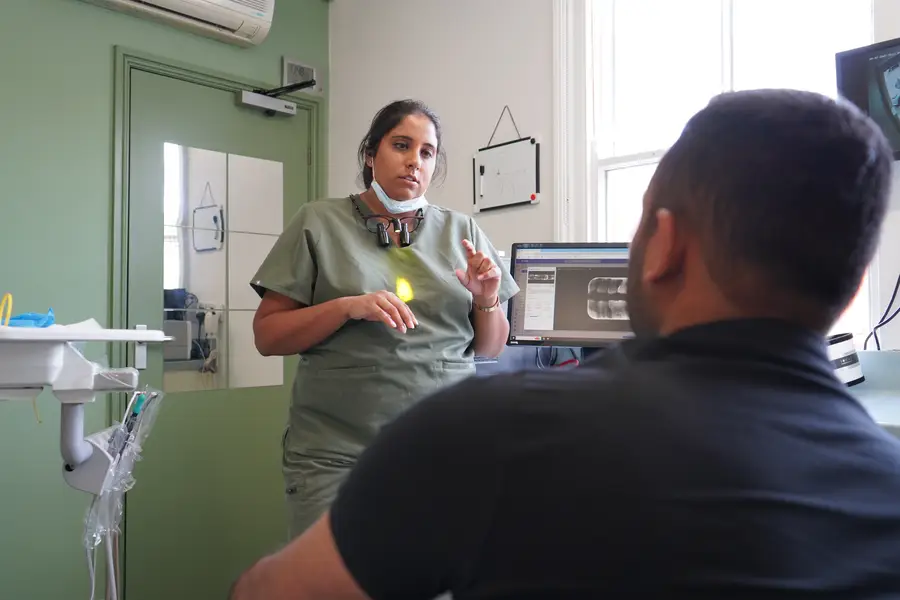
When it comes to replacing missing teeth, patients often face a tough decision: should you choose dental implants or dentures? Both options are viable and widely used, but they differ significantly in terms of durability, comfort, cost, and long-term care. This comprehensive guide will compare dental implants and dentures, helping you understand the key differences and determine which option is right for you.
Dental implants are a long-term, durable solution that mimics natural teeth, offering stability and preventing bone loss. Dentures are a more affordable, non-invasive option but may require replacements and adjustments over time. The right choice depends on your budget, oral health, and personal preferences for comfort and longevity.
Whether you’re looking for a permanent solution or a more affordable alternative, understanding the pros and cons of each treatment can help you make an informed decision about your oral health. Let’s dive into the details.
What Are Dental Implants?
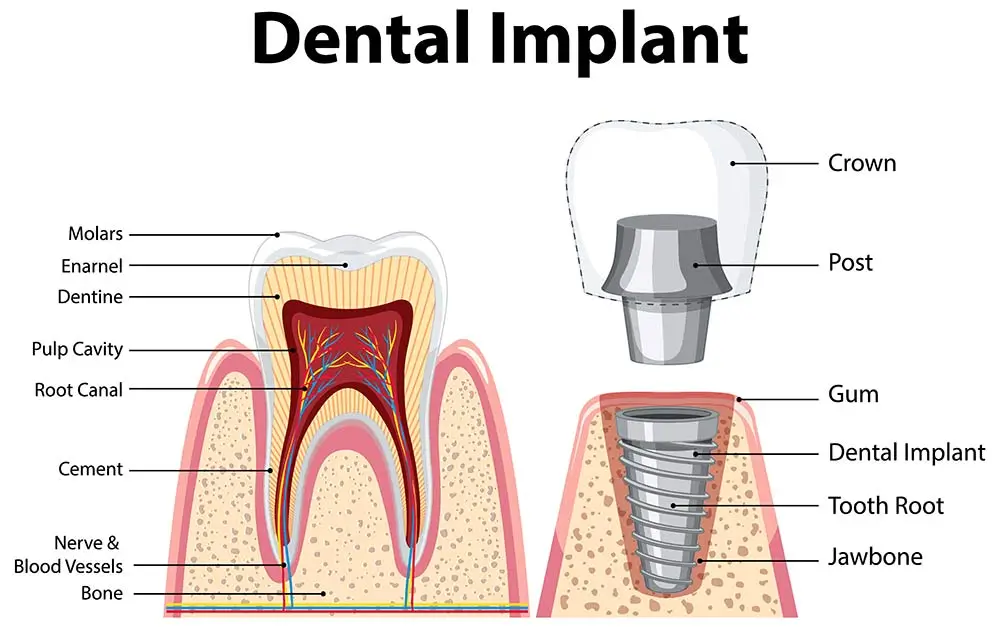
For a long-term option, dental implants are a great choice for tooth replacement. Surgically implanted into the jawbone, a titanium post serves as a substitute for the tooth root. This post is topped with an abutment and a dental crown, which serves as the visible part of the replacement tooth.
Dental implants are designed to function and look just like natural teeth. Because the titanium post integrates with the jawbone through a process called osseointegration, implants provide stability, durability, and a natural appearance.
Key Benefits of Dental Implants:
- Durability and Longevity:
Dental implants can last 15-25 years or even longer with proper care. Unlike dentures, which may need replacement every 5-10 years, implants are a more permanent solution. - Natural Look and Feel:
One of the biggest advantages of dental implants is their ability to mimic the appearance and function of natural teeth. They are designed to blend seamlessly with your other teeth, providing a natural smile. - Prevents Bone Loss:
Over time, the jawbone in that location may begin to degenerate when you lose a tooth. Dental implants stimulate the bone, helping to maintain bone density and prevent further bone loss. - Comfort and Stability:
Because they are anchored directly into the jawbone, dental implants are incredibly stable. They don’t shift or move like dentures, allowing you to eat, speak, and smile with confidence.
Downsides of Dental Implants:
- Higher Initial Cost:
Dental implants tend to have a higher upfront cost than dentures. However, when you consider their longevity, they may be more cost-effective in the long term. - Surgical Procedure Required:
Getting dental implants involves a surgical procedure, which may not be suitable for everyone. Patients need to have sufficient bone density and be in good general health to undergo implant surgery.
What Are Dentures?
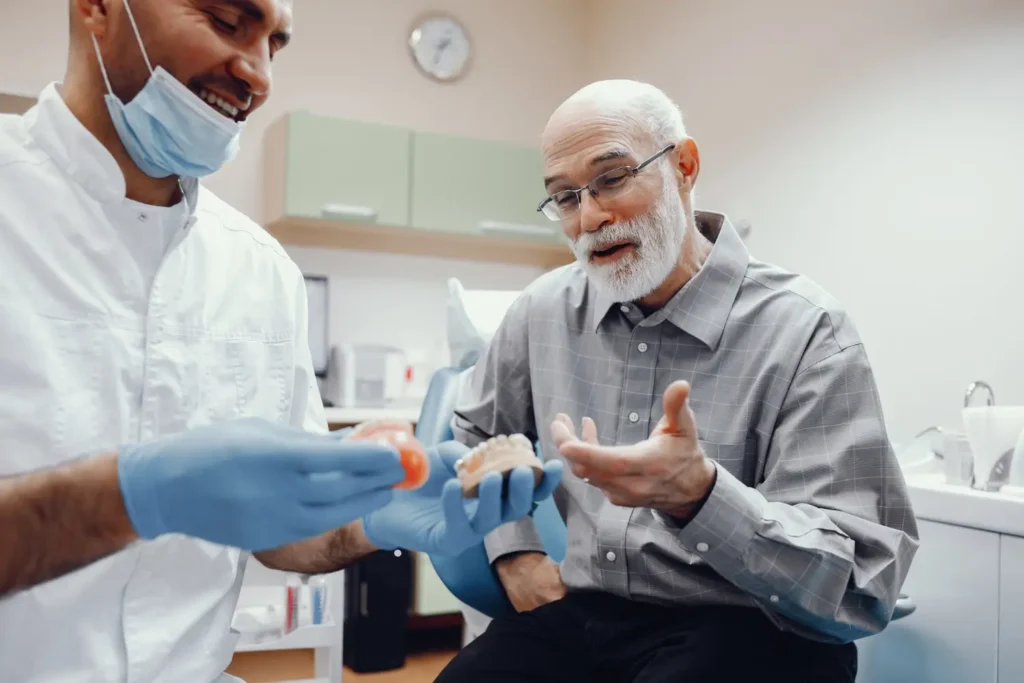
Dentures are removable appliances that replace missing teeth. There are two primary varieties of dentures available: full dentures, which substitute all of the teeth in the upper or lower jaw, and partial dentures, which address one or more missing teeth. Dentures sit on top of the gums and are usually made from materials like acrylic, porcelain, or metal.
Unlike dental implants, dentures do not require surgery and can be fitted relatively quickly. They are held in place either by suction, clasps, or denture adhesive.
Key Benefits of Dentures:
- Affordability:
Dentures are typically more affordable than dental implants, making them a good option for patients on a budget. - Non-Invasive Procedure:
Unlike dental implants, dentures do not require surgery. This makes them an attractive option for patients who are not candidates for surgery due to medical conditions or those who prefer a less invasive option. - Quick Turnaround:
The process of getting dentures is quicker compared to dental implants. Once your gums and jaw have healed (if extractions were necessary), dentures can be fitted relatively fast, making it a good choice for patients seeking a quicker solution.
Downsides of Dentures:
- Stability and Comfort:
Dentures can sometimes slip or move, especially when eating or speaking, leading to discomfort. This can be a source of frustration for some patients. - Aesthetic Appearance:
Although dentures have come a long way in terms of appearance, they may not look as natural as dental implants. Over time, as the jawbone deteriorates, dentures may fit less snugly and need adjustments. - Bone Loss:
Since dentures rest on the gums rather than being anchored into the jawbone, they do not prevent bone loss. Over time, this can lead to changes in the shape of your face, making the dentures fit poorly.
Comparing Dental Implants and Dentures
1. Durability:
Dental Implants:
Dental implants are designed to last for decades, and with proper care, they can last a lifetime. The titanium post integrates with the jawbone, making it a permanent solution for tooth replacement.
Dentures:
Dentures typically need to be replaced every 5-10 years. Over time, the shape of your jaw may change due to bone loss, which can affect how well your dentures fit. Regular adjustments may be needed to maintain comfort.
Verdict:
In terms of durability, dental implants are the clear winner. They offer a permanent solution that doesn’t require frequent replacements or adjustments.
2. Comfort and Stability:
Dental Implants:
Because implants are secured directly into the jawbone, they feel and function like natural teeth. They don’t slip or move, making them more comfortable and stable than dentures.
Dentures:
Dentures are less stable than implants, as they rest on top of the gums. They can shift or become loose, especially while eating or speaking, which can cause discomfort or embarrassment.
Verdict:
Dental implants offer superior comfort and stability, while dentures may require regular adjustments and adhesive to stay in place.
3. Aesthetics:
Dental Implants:
Implants are custom-designed to match the colour and shape of your natural teeth, providing a seamless, natural look. Once in place, they are virtually indistinguishable from your real teeth.
Dentures:
Modern dentures are more natural-looking than ever, but they may not look as realistic as dental implants. Over time, as the jawbone deteriorates, dentures can become less snug and affect the overall appearance of your smile.
Verdict:
For aesthetics, dental implants provide a more natural and long-lasting result.
4. Maintenance:
Dental Implants:
Caring for dental implants is similar to caring for natural teeth. Brushing twice a day, flossing, and regular dental check-ups are all that’s needed to keep your implants in good condition.
Dentures:
Dentures require daily cleaning and must be removed at night to allow the gums to rest. Additionally, you may need to use denture adhesive to keep them in place throughout the day.
Verdict:
Dental implants are easier to maintain, as they don’t require removal or special cleaning products.
5. Bone Health:
Dental Implants:
One of the biggest advantages of dental implants is their ability to preserve bone density. The implant post stimulates the jawbone, preventing bone loss and maintaining the structure of your face.
Dentures:
Dentures do not prevent bone loss. Over time, the jawbone will deteriorate where teeth are missing, which can lead to changes in your facial structure and the fit of your dentures.
Verdict:
For preserving bone health, dental implants are the better option, as they help prevent bone loss and maintain facial structure.
6. Cost:
Dental Implants:
Dental implants typically have a higher upfront cost. However, because they last longer and require less maintenance, they may be more cost-effective in the long run.
Dentures:
Dentures are usually more affordable upfront, but they will need to be replaced or adjusted every few years. Over time, the cost of maintaining and replacing dentures can add up.
Verdict:
While dentures are more affordable initially, dental implants may offer better value for money in the long term.
Who Is the Right Candidate for Dental Implants?

Dental implants are an excellent choice for patients who are looking for a long-term, durable solution to replace missing teeth. However, not everyone is a candidate for dental implants. Here are some factors to consider:
- Good Bone Health:
Implants require a healthy jawbone to provide adequate support. Before receiving implants, you could require a bone graft if you have suffered from severe bone loss. - Overall Health:
Patients must be in good general health to undergo surgery. Conditions like uncontrolled diabetes or immune disorders can affect healing and the success of the implant. - Non-Smokers:
Smoking can impair the healing process and increase the risk of implant failure. If you smoke, your dentist may recommend quitting before undergoing the procedure.
Who Is the Right Candidate for Dentures?
Dentures are a good option for patients who are looking for a less expensive, non-surgical solution for tooth replacement. They may be especially suitable for:
- Patients with Extensive Tooth Loss:
If you’ve lost most or all of your teeth, dentures may be the most practical option, especially if bone loss is a concern. - Patients Looking for a Quick Solution:
Since dentures don’t require surgery, the process is quicker than getting dental implants. This makes them an attractive choice for patients seeking immediate results. - Patients with Medical Conditions:
For patients who are not candidates for surgery due to medical conditions, dentures provide a non-invasive alternative.
Implant-Supported Dentures: The Best of Both Worlds?
For some patients, implant-supported dentures provide a hybrid solution that combines the best features of both dental implants and dentures. These dentures are anchored to the jawbone using a few strategically placed implants, offering the stability of implants with the affordability of dentures.
Benefits:
- Improved stability compared to traditional dentures
- Helps prevent bone loss
- Removable for cleaning but more secure than regular dentures
Implant-supported dentures are a great option for patients who want the comfort and durability of implants but are looking for a more affordable solution.
Conclusion: Which Option Is Right for You?
Both dental implants and dentures offer effective solutions for replacing missing teeth, but the right choice depends on your individual needs, preferences, and budget.
- Choose Dental Implants if you’re looking for a permanent solution that offers stability, a natural look, and long-term benefits for bone health.
- Choose Dentures if you need a more affordable, non-surgical option, especially if you have extensive tooth loss or medical conditions that prevent surgery.
If you’re unsure which option is right for you, consult with your dentist to discuss your goals and evaluate your oral health. At Green Dental & Implant Clinic, we’re here to help you make the best choice for your smile.
Explore our other blog posts
December 28, 2025
White Spots: What They Mean and When to See a Periodontist
November 28, 2025
Can Gum Disease Be Reversed? Your Complete Guide
October 22, 2025